Hotel Drinkware Materials Compared: Polycarbonate vs Acrylic vs Glass – Which Is Best for Hotels?
Choosing the wrong drinkware costs hotels more than most buyers realize. Broken glass means replacement purchases, injured guests and staff, closed pool bars, and hours of extra housekeeping work every week. That is why more procurement managers now search for unbreakable PC glassware for hotel projects instead of ordering traditional glass — but polycarbonate is only one option, and each material has clear trade-offs.
This guide compares the four most common materials used in hotel drinkware and tableware — traditional glass, polycarbonate (PC), acrylic, and Tritan? — so you can match the right material to the right venue, from guest-room trays to rooftop bars.
Quick Comparison: Hotel Drinkware Materials at a Glance
| Material | Breakage Risk | Clarity | Heat Resistance | Dishwasher Safe | Typical Lifespan in Hotels |
|---|---|---|---|---|---|
| Soda-lime glass | High | Excellent | High | Yes | Short (breakage-driven) |
| Polycarbonate (PC) | Very low | Near glass | Up to ~100°C | Yes (top rack) | Long (hundreds of washes) |
| Acrylic (PMMA) | Low | Good | Moderate | Top rack only | Medium |
| Tritan? copolyester | Very low | Good | Moderate | Yes | Long |
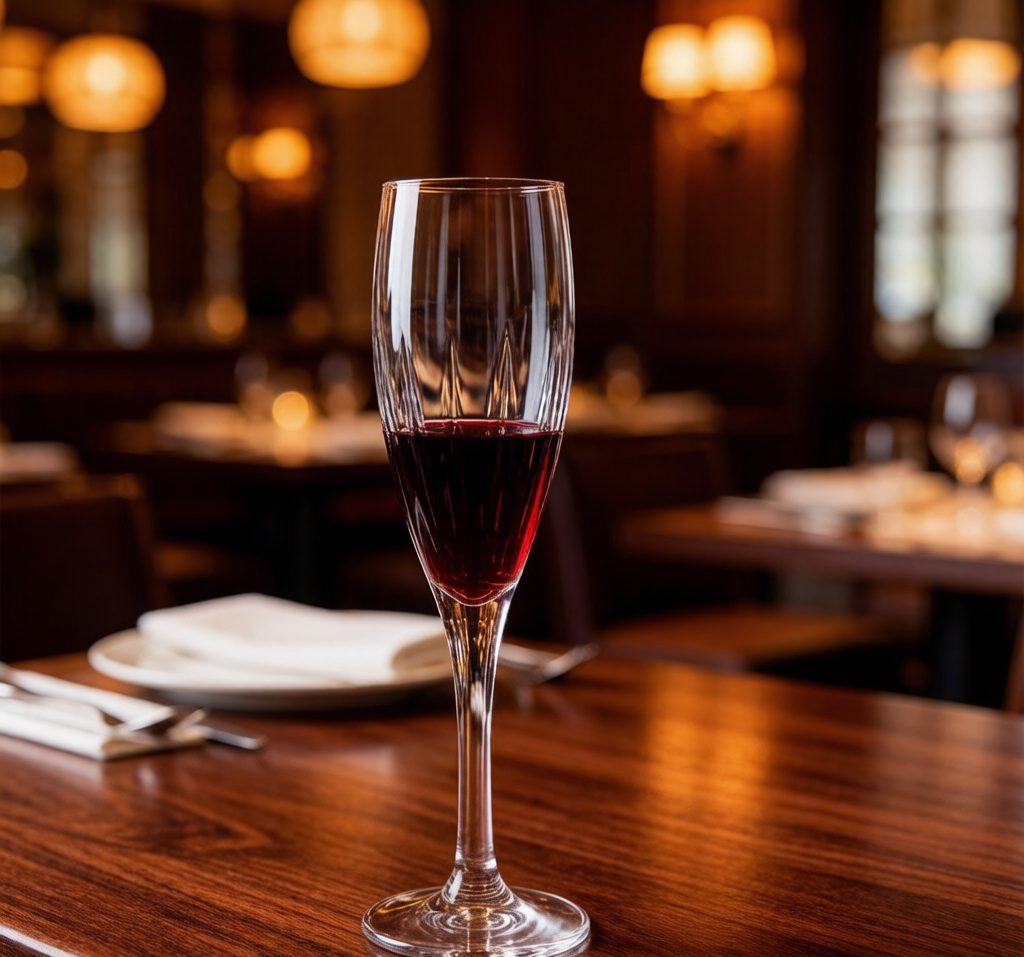
1. Traditional Glass — Premium Feel, High Operating Risk
Advantages
- Unmatched optical clarity and “premium” weight perception that fine-dining guests expect.
- Fully heat-resistant: suitable for hot beverages and commercial glasswashers at high temperatures.
- Scratch resistance is better than most plastics over long service life.
Disadvantages
- Breakage is the core cost driver. Industry estimates commonly run at 20–50% annual breakage replacement in busy hotel F&B operations.
- Safety liability: shattered glass around pools, spas, and beach bars is a serious guest-safety and legal risk — many resorts now ban glass in wet zones entirely.
- Heavier, which raises shipping costs for international procurement.
Best for
Fine-dining restaurants, executive lounges, and in-room minibars — venues with controlled handling where the premium experience justifies the replacement budget.
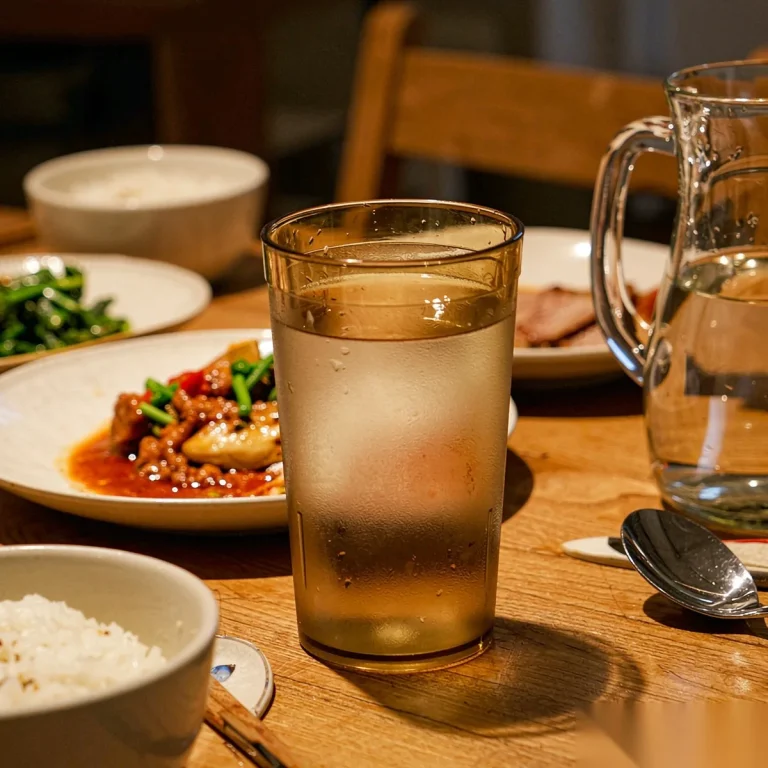
2. Polycarbonate (PC) — The Workhorse of Unbreakable Hotel Glassware
Advantages
- Practically unbreakable in normal hotel service: dropped, knocked, even stepped-on PC tumblers bounce instead of shattering.
- Optical clarity close to real glass — guests frequently cannot tell the difference by sight.
- High heat tolerance for a plastic (typically up to ~100°C / 212°F) and safe in commercial dishwashers on the top rack.
- Very long service life — hundreds of wash cycles — which lowers cost-per-use dramatically below glass.
- Food-safety certifications are mature: look for SGS food-grade testing and BPA-free grades.
Disadvantages
- Slightly lighter than glass, which some luxury venues perceive as less “premium” — though modern designs mitigate this.
- Surfaces can scratch over years of abrasive washing; rotate stock to keep front-of-house pieces new.
- Quality varies widely between factories — cheap non-certified PC should never touch a guest’s lips.
Best for
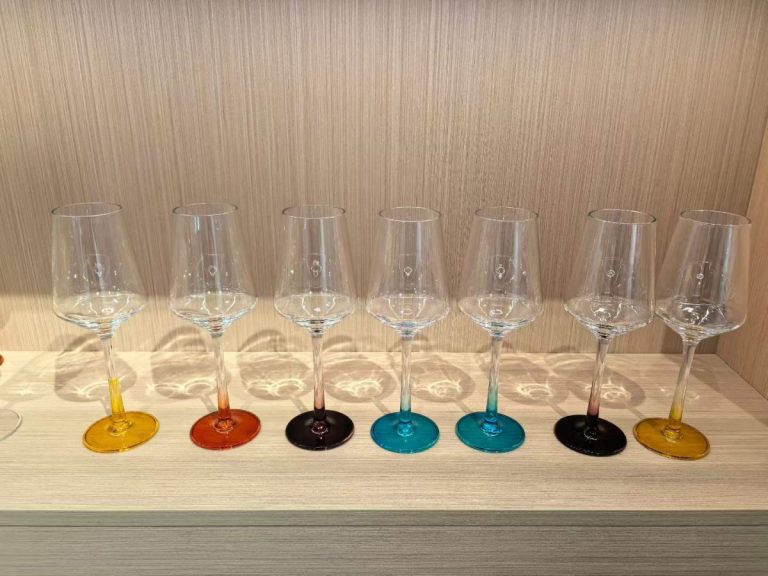
Pool bars, rooftop bars, banquet halls, buffet lines, room service, and any venue where glass bans or safety rules apply. This is the category where unbreakable PC glassware for hotel buyers delivers the fastest ROI: one PC wine glass replaces dozens of glass ones over its life.
3. Acrylic (PMMA) — The Budget-Friendly Middle Ground
Advantages
- Lower unit cost than PC, with good clarity and a wide range of colors and decorative effects.
- Much lighter than glass, cutting freight costs for large-volume orders.
- Easy to mold into creative shapes — popular for themed bars, resort tiki bars, and kids’ service.
Disadvantages
- More brittle than polycarbonate — it can crack under sharp impact rather than bounce.
- Lower heat tolerance: hot beverages and high-heat dishwashing can cause warping or hazing.
- Scratches more visibly over time than PC.
Best for
Cold-drink service, outdoor events, kids’ areas, and promotional drinkware where budget and design flexibility matter more than extreme durability.
4. Tritan? Copolyester — The Certified BPA-Free Alternative
Advantages
- Inherently BPA-free chemistry with strong third-party certification recognition.
- Excellent clarity and dishwasher durability; resists clouding better than acrylic.
- Good impact resistance — comparable to PC in most hospitality scenarios.
Disadvantages
- Higher raw-material cost than commodity PC, reflected in unit price.
- Lower heat resistance than polycarbonate.
Best for
Branded drinkware programs and markets (especially North America and Northern Europe) where BPA-free messaging is a selling point.
How Hotel Buyers Should Choose: A Venue-by-Venue Matrix
- Pool & beach bars: Polycarbonate, no exceptions. Glass is typically prohibited in wet zones by insurers anyway.
- Banquets & events (500+ covers): PC glassware and pitchers — breakage loss across hundreds of covers disappears from the P&L.
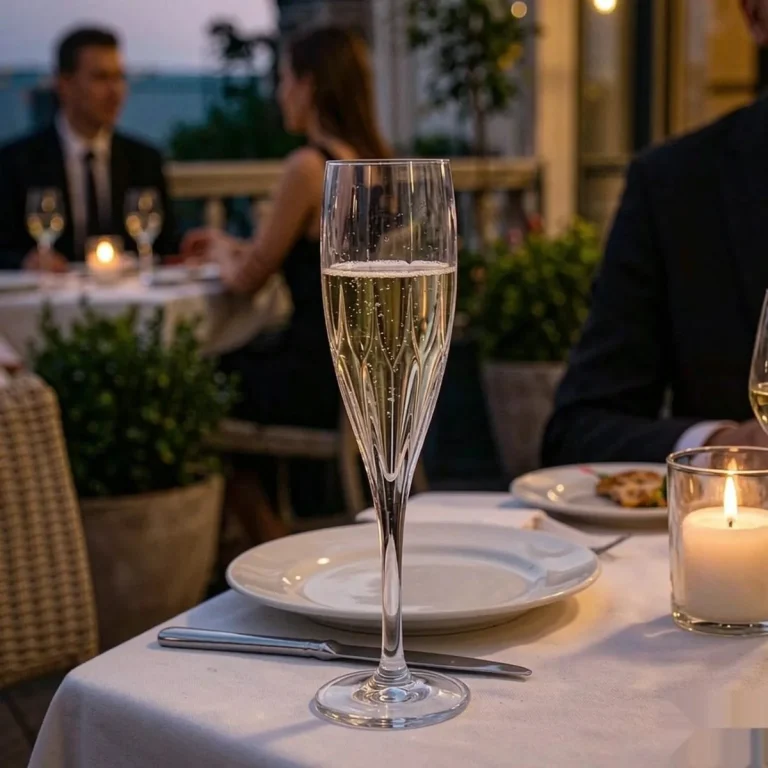
- Fine dining: Glass for wine service if the brand demands it; PC as backup and for terrace seating.
- Guest rooms: PC or Tritan tumblers — housekeeping turnover makes breakage here a silent daily cost.
- Kids’ clubs & family resorts: Acrylic or Tritan, prioritizing lightweight safety.
A 5-Point Sourcing Checklist Before You Place the Order
- Ask for food-contact test reports — SGS food-grade testing and RoHS compliance at minimum; don’t accept “food safe” as a verbal claim.
- Confirm dishwasher-cycle ratings — a serious manufacturer can state how many commercial wash cycles the product survives.
- Check the MOQ and customization options — reasonable factories offer OEM/ODM logo printing and custom molds from around 500 pieces.
- Verify factory capability — in-house injection molding and mold-making means stable quality and faster reorders.
- Request samples and run a drop test — literally drop it on tile. A 1-meter drop test is the fastest quality screen.
Frequently Asked Questions
Is polycarbonate glassware safe for hotels?
Yes — when it is certified food-grade PC from a reputable manufacturer. Look for SGS food-contact test reports and BPA-free material grades, and avoid uncertified low-price PC which may not meet food-contact standards.
Can polycarbonate glasses go in the dishwasher?
Yes. Quality PC drinkware is commercial-dishwasher safe on the top rack and typically survives hundreds of wash cycles — a major advantage over acrylic, which should be washed gently.
How long does unbreakable hotel glassware last?
Certified PC glassware in normal hotel service commonly lasts for years — the practical limit is usually surface scratching from abrasive washing, not breakage. Many hotels rotate stock: oldest pieces go to back-of-house, newest to the bar.
Conclusion: Match the Material to the Venue, Not the Catalog
There is no single “best” hotel drinkware material — there is the right material for each zone of your property. Traditional glass still owns the fine-dining table; polycarbonate owns every wet, high-traffic, breakage-prone zone; acrylic covers budget and creative cold-drink service; Tritan serves BPA-free branded programs.
If you are evaluating unbreakable PC and acrylic glassware for a hotel, resort, or F&B group, work with a manufacturer that can show certifications, survive-testing, and OEM capability up front. Benyang Supplies has manufactured unbreakable drinkware for 17+ years in our 6,000 m2 factory, with SGS food-grade and RoHS certified materials, MOQ from 500 pieces, and OEM/ODM support for global hospitality brands.