Three Customs Headings, One Container: What a Hotel Supplies Order Looks Like at the Border
A Purchase That Leaves as One and Lands as Three
A property opening a hundred and twenty rooms buys in one movement. Carafes and tumblers for the rooms, chafing stoves for the breakfast buffet, four-piece sets for the restaurant. It is one enquiry, one quotation, one deposit, and at the end of it one container leaving Ningbo. On the buyer’s side of the transaction it is a single purchase, and it is treated as one all the way through the negotiation.
At the other end it stops being one. The same container holds goods that a tariff schedule treats as three separate kinds of thing, and each of those three wants its own line on the entry, its own description, and its own place in the file your broker assembles before the vessel berths. Nothing about the goods changed in transit. What changed is the vocabulary that gets applied to them.
This page follows that split: where it comes from, which rows of this catalogue fall on each side of it, and what to put on the paperwork so the split does not turn into a query. It is not a ruling and it quotes no duty rates. Classification belongs to the customs authority in your market, decided on the goods as presented. What can be done from this end is narrower and more useful: show you where the three lines begin.
The Split Is Already in the Menu
The site is arranged as three ranges, and behind them are 665 products: 348 in the drinkware range, 67 in the cookware range, 250 in the cutlery range. Those proportions are not a merchandising decision that happens to look tidy. They are close to three different points in a tariff schedule, and the match is close enough that a buyer can predict the entry from the menu before asking anyone.
| Range | Products | What the material field holds | Heading most brokers use | What that heading names |
|---|---|---|---|---|
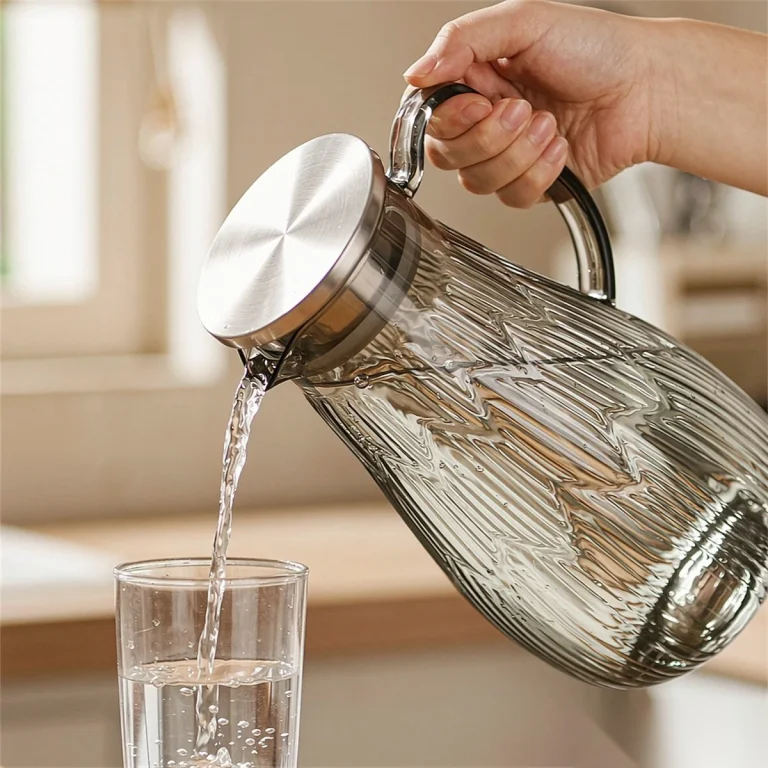
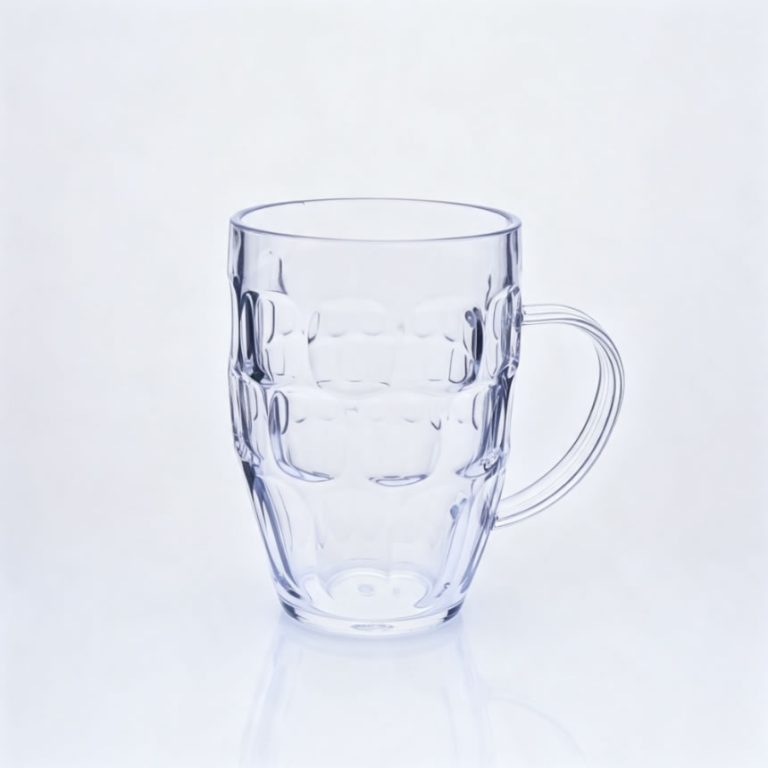
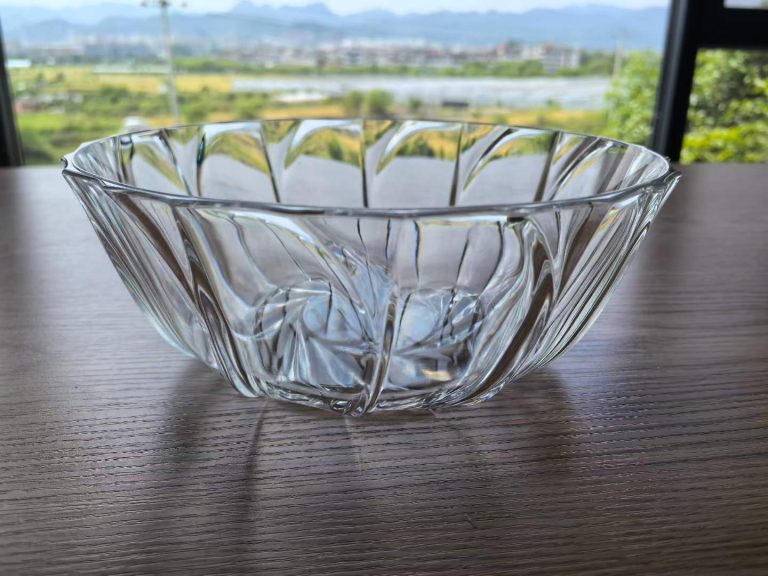
| Drinkware & tableware | 348 | plastics on 344; 34 of them also name steel, bamboo or wood | 3924.10 | table and kitchen ware of plastics |
| Cookware & chafing dishes | 67 | aluminium alloy on 66, food-contact silicone on 1 | 7615.10 | household articles of aluminium |
| Cutlery & tableware | 250 | stainless steel on 250 | 8215 | spoons, forks, knives and sets of them |
The first column is a shop. The last two columns are a schedule. Most buyers meet the shop first, order from the shop, and meet the schedule on the morning their broker asks for one description per line and the supplier has sent a single line reading “hotel supplies”.
Three ranges, three headings, one container. The convenience that made the order worth placing is exactly what made the paperwork more complicated, which is the part of one-stop buying that nobody puts in the brochure.
Why a Range Name Classifies Nothing
“Hotel supplies” is not a heading. Neither is “drinkware”, “tableware”, “buffet service” or “catering equipment”. A heading names an object, the substance it is made of and the use it is put to. A range name names a shelf. The two vocabularies overlap just enough to be dangerous: a phrase like “stainless steel cutlery” reads like a classification and is only half of one, because it leaves out the use.
The cutlery range shows how far a shelf can drift from a schedule. It holds 162 rows of loose sets, 56 boxed gift sets, 22 canteen sets, 7 Christmas gift sets and 3 children’s sets. Five different merchandising ideas, five different customer conversations, one heading, because every one of them is spoons and forks and knives in stainless steel. The label changes five times and the classification does not change once.
The reverse happens inside a single range, which is the more instructive case. The cookware range has a two-product sub-line called Trays, Mats & Accessories, and it holds a heat-proof silicone mat next to a single-handle pizza pan. The shelf put them together because both are used beside a warmer. The schedule does not care about the shelf: the pan is aluminium and the mat is not, so they do not share a heading, and a mixed order that treats them as one thing will be split anyway.
The Lid That Does Not Open a Second Line
Forty-three of the 348 plastic rows carry a second material, and the way they say it is inconsistent enough to be worth tabulating. The jug line accounts for thirty-four of them: twenty-seven models with a stainless steel lid, six with a bamboo or wood lid, and one — BY-9183B — naming four substances in a single cell. The other nine are fruit plates whose cover is polystyrene while the plate itself may be either polystyrene or polycarbonate.
| What the material cell says | Rows | Where it appears |
|---|---|---|
| PC + Stainless Steel Lid / PC + Stainless Steel / PC (Polycarbonate) + Stainless Steel Lid | 27 | full-handle and half-handle jugs |
| PC (Polycarbonate) + Bamboo Wood Lid | 6 | BY-9160 variants with a wood lid |
| PC + Stainless Steel + Wood + Bamboo | 1 | BY-9183B |
| PC / PS + PS | 9 | fruit plates with a domed food cover |
None of the thirty-four jugs becomes two articles because of the lid. The article is a jug; the lid is part of it; the jug is what gives the article its character, and the entry describes a jug. A buyer who assumes the steel has to be declared on a line of its own is preparing a document nobody asked for.
What the composite does open is a second question in a different file. A food-contact report describes one material. A model that lists two of them has two materials to account for, and whether the second one ever touches the drink is a detail of the design rather than of the string in the cell. On a jug with a push-on lid the answer is usually yes at the rim and inside the lid, which is why the lid cannot be waved through as decoration.
The Choice a Border Cannot See
Thirty-six rows do not state a material. They state two, separated by a slash, with nothing to say which one ships. This is the largest single ambiguity in the catalogue and it is concentrated in eight families.
| What the cell says | Rows | Where it appears |
|---|---|---|
| PS / PC | 24 | octagonal glasses 7, beer glasses 8, bar and milk-tea cups 5, salad bowls 3, one ice-cream cup page |
| PC / PS | 6 | cake domes 5, napkin holder 1 |
| PC / PET | 6 | square plates 5, salad bowl 1 |
For the entry, this changes nothing at all. Polystyrene, polycarbonate and PET are all plastics; all three sit under the same heading, in the same chapter, behind the same description. The line will be written the same way whichever resin arrives on the pallet.
That is precisely what makes it worth a section. The classification is stable while the product is not, so the border will never flag the difference that decides whether the goods survive their first season. A customs declaration is a very good instrument for collecting revenue and a very poor one for telling you what you bought.
The difference is not cosmetic. Polystyrene is the cheaper resin: clear, stiff, and the one that cracks when a stack of tumblers is set down hard on a steel bench. Polycarbonate costs more and absorbs the same event. A buyer ordering unbreakable beer glasses is paying for the second behaviour, and the page offers the first as an alternative in the same cell.
Three beer glasses make the point without any interpretation. BY-1718, BY-1727 and BY-1738 are all titled unbreakable PC beer glasses and all list the material as PS / PC. BY-1768, carrying the same title, lists PC — with a leading space in the cell, which is its own small evidence that the column was typed rather than selected. In the beer glass sub-line the split runs 8 slashed rows to 5 settled ones, and the octagonal glass in the octagonal sub-line is titled unbreakable PC and lists PS / PC as well.
Nor can the order of the two words be read as a default. The identical pair is written PS / PC on twenty-four rows and PC / PS on six. If position meant priority, the catalogue would contradict itself six times, and a buyer would have no way of knowing which convention won.
So the instruction is one sentence long: confirm the resin per model in writing with the order, and treat every slashed cell as unanswered until somebody answers it. On thirty-six rows that is the only control available to you, because the entry will not provide one.
What Makes a Set a Set
The cutlery range publishes a set size on 241 of its 250 rows, in seventeen different values. Four pieces is the centre of gravity at 102 rows, five pieces follows at 49, then six at 23 and two at 21. The tail runs out to 48 pieces through six rows at 24, four at 32 and two at 48, plus nine rows that state no count at all.
| Set size | Rows | Set size | Rows |
|---|---|---|---|
| 4 pcs | 102 | 12 pcs | 1 |
| 5 pcs | 49 | 16 pcs | 5 |
| 6 pcs | 23 | 24 pcs | 6 |
| 2 pcs | 21 | 32 pcs | 4 |
| 3 pcs | 14 | 48 pcs | 2 |
| 7 to 10 pcs | 6 | 4 / 5 pcs | 5 |
| 1 pc | 2 | 3 / 5 pcs | 1 |
| not stated | 9 |
A six-piece set is not six articles on an entry. It is one article that happens to contain six pieces, and the piece count belongs in the description as a property rather than as a multiplier in the quantity column. Getting that wrong turns 600 gift sets into 3,600 units of cutlery, which is not a small clerical difference when a broker reconciles the invoice against the packing list.
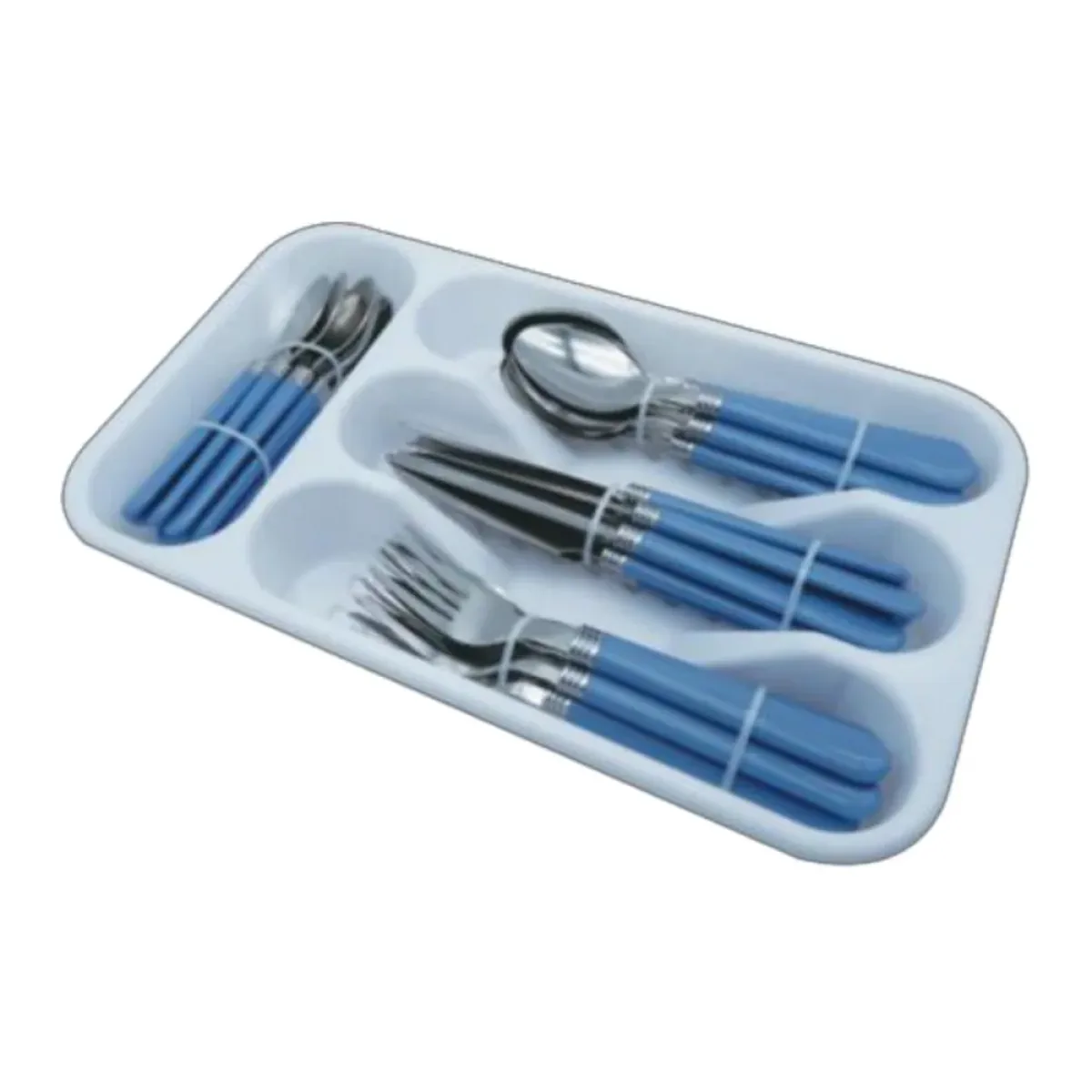
What actually makes these rows sets is the packaging. Sixty-four rows state a printed gift box; two state a blister card with a euro slot; five a clear storage tube; five a moulded serving tray; and 174 say nothing at all. The packaging is doing classification work here, not decoration: six forks in a printed box are a retail set, and six forks in a polybag are cutlery. The four-piece gift box and the Christmas six-piece are packed the same way and belong to the same heading for the same reason; the euro-slot blister card is a different presentation of the same idea.
Six rows go further and refuse to give one number. Five cutlery rows state 4 / 5 pcs — CX3, CX5, CX8, CX9 and M186 — and one, 2771, states 3 / 5 pcs. A set size written as a range cannot be turned into a quantity without a decision, and the decision is yours or nobody’s.
The Canteen Sets That Sit Across Two Words
Twenty-two rows in the canteen sub-line are canteen sets, and they are the largest objects on the shelf: twelve pieces at the bottom, forty-eight at the top. Five of them arrive on a moulded serving tray and five in a clear storage tube. The rest state no packaging at all.
| Model | Pieces | Packaging it states |
|---|---|---|
| 611P-32 | 32 pcs | moulded serving tray |
| 5000A-48 | 48 pcs | moulded serving tray |
| 5000A-32 | 32 pcs | moulded serving tray |
| D-32 | 32 pcs | moulded serving tray |
| 611P-48 | not stated | moulded serving tray |
| 611P-12 | 12 pcs | clear storage tube |
Look at what one of those rows contains. Steel cutlery, a plastic tray, and often a plastic tube as well: goods that would otherwise belong to two different headings, sold as a single item. The set is classified as a set. It is not divided into a steel line and a plastic line, because what gives it its character is the cutlery — nobody buys a serving tray with thirty-two pieces of stainless steel on it in order to get the tray.
There is a purchasing point buried in that piece of classification. If the goods are going to a staff canteen or a crew mess, the tray is doing real work: it is how the set is issued, how it is counted back in, and the part that breaks first. If they are going to a restaurant, the sets will be unwrapped and the trays discarded, and a supplier who quotes the tray is quoting something you did not ask for. Say which case you are in, because the packaging is what the two cases differ by.
Four Rows That Cannot Be Described
Four rows of 665 publish no material whatsoever: the seasoning set landing page, BY-8020D bamboo joint glass, BY-9921B and BY-9921C.
For an entry, material is the first noun after the object; without it the description has to be written from something other than the page. Two of those four are the wine and champagne glasses that also publish no carton and no capacity, which makes them the only rows on that line that can be neither cubed nor classified from their own pages. That is a small number to worry about and an easy one to fix, but it has to be fixed before the documents are drawn rather than after.
Cartons, and the Two Ranges That Publish None
Carton size appears on 303 of the 665 rows, and every one of those 303 rows is in the plastic range. The aluminium range publishes a carton size on 0 of its 67 rows. The cutlery range publishes one on 0 of its 250. Packing quantity behaves differently again: 313 plastic rows carry it, all 67 aluminium rows carry it, and the cutlery range carries it nowhere.
| Range | Rows | Carton size published | Packing quantity published | Capacity published |
|---|---|---|---|---|
| Drinkware / plastics | 348 | 303 | 313 | 187 |
| Cookware / aluminium | 67 | 0 | 67 | 0 |
| Cutlery / stainless steel | 250 | 0 | 0 | 0 |
The individual rows behave in three different ways, and it helps to know which kind you are holding. BY-9013 publishes both: 40 × 40 × 38 cm and 144 pieces, which is enough to quote a freight rate from the page alone. The squeeze bottle page publishes a packing figure of 100 / 100 and no carton at all, which tells you how the bottles are bundled and nothing about the space they need. BY-9015 without lid publishes neither, and no capacity either — a row that can be sold and cannot be priced for shipping.
Two of your three entry lines therefore cannot be cubed from the product pages. The packing list has to be built after confirmation, per model, per range, from whoever is actually going to put the cartons on a pallet. This is also where the pallet arithmetic in the water pitcher pallet guide stops applying: that method can turn a carton into a container load, and it can only do it for the one range that publishes the carton.
The consequence is easy to state and easy to forget. The entry can be drafted from the catalogue; the packing list cannot. If a forwarder is asked for a container plan before the aluminium and cutlery cartons are confirmed, what comes back is a plan built on the third of the order that happened to be measurable.
What Travels With the Goods, and What Does Not
Two different files get confused at this stage, and the confusion costs buyers weeks. The declaration at the border is a statement about what the goods are. The test reports in your food-safety file are statements about what the materials are. They are produced by different people for different readers, and one does not stand in for the other.
A food-contact report describes a material. That single sentence explains why the 43 composite rows and the 36 slashed rows both need an answer before the file is complete: a model with a steel lid has a second material to cover, and a model offering two resins may be covered by a report for a resin you did not receive. Neither problem is visible on an entry, and both are visible in an audit.
Substance-restriction marks belong in the same category as the reports rather than at the border: they are evidence about composition, not an entry document, and no broker files one. A buyer who has collected marks rather than reports has collected the wrong kind of paper.
A test report is evidence about a material and not an authorisation to import. Ask for the report reference in writing, one per material that appears on the invoice, and keep that answer with the order rather than with the catalogue.
Origin Is the One Field That Does Not Split
Everything above divides. One thing does not. All 665 rows ship from the same origin, and the three ranges converge on the same ports for the container. Origin is a property of the goods rather than of the shelf, so it gives one answer where the rest of this article gives three.
What that does not buy is a rate. Whether your market applies a preferential rate to goods of this origin depends on that market’s own rules of origin and on the certificate your broker asks for; the supplier’s part of the job is to state origin accurately and to make sure the documents agree with the goods. Any sentence that promises a rate before the destination is known is a sentence to be suspicious of.
A Worked Example: 120 Rooms, Three Lines
Put the whole thing on one order. Nine hundred polycarbonate tumblers at 500 ml, a hundred and twenty aluminium chafing stoves, and six hundred four-piece sets in printed gift boxes.
| Line | Quantity | Heading | The description has to state | What the pages publish |
|---|---|---|---|---|
| 1 | 900 tumblers | 3924.10 | polycarbonate, 500 ml, drinking tumbler | carton size on the row — can be cubed |
| 2 | 120 stoves | 7615.10 | aluminium alloy, chafing stove with fuel holder | packing quantity only — no carton |
| 3 | 600 sets | 8215 | four-piece set, stainless steel, printed gift box | neither carton nor packing quantity |
Three lines, one container, and a packing list that only one of the three can generate from its own product page. Two descriptions can be written from the catalogue and two cannot be cubed from it, which is the asymmetry buyers discover late: the paperwork they can prepare alone is not the paperwork that decides what the freight costs.
The ranges do not share a carton, so they cannot share a pallet count either. A container plan assembled from the tumbler cartons will describe a third of the shipment with the confidence of the whole, and the two unmeasured thirds are the two heavier ones.
What to Settle Before the Proforma
Six questions, each tied to a specific set of rows in this catalogue, each landing in a specific document. They are worth asking in this order, because the later ones depend on the earlier answers.
| Ask for | Why this catalogue needs it | Where the answer lands |
|---|---|---|
| Resin per model, in writing | 36 rows offer PS, PC or PET and do not say which ships | the description on line 1 |
| Every material on the model | 43 rows carry a lid or cover in a second material | the food-contact file |
| Pieces per set and the packaging | 17 set sizes, and 6 rows state two sizes at once | the description of a set line |
| Carton dimensions per model | 0 of 67 aluminium rows and 0 of 250 cutlery rows give one | the packing list |
| A report reference per material | a report describes one material, not a product | the file you keep after clearance |
| Origin, and the certificate your broker wants | one origin, three headings, and rates that depend on your market | the entry itself |
Questions Buyers Ask at This Point
If I order three ranges from one supplier, do I receive three shipments?
No. One container, one booking, one set of shipping documents, and three lines on the entry. The split happens in the declaration, not on the vessel.
Do plastic hotel tumblers always fall under 3924.10?
That is the heading most brokers use for table and kitchen ware of plastics, and it covers the drinkware range here. The decision is the importing authority’s, taken on the goods as presented, so treat the number as a starting point for your broker rather than a ruling.
Is a six-piece cutlery gift set entered as six items?
As one set. The piece count is a property of the article, not a quantity multiplier. It belongs in the description beside the material and the packaging, which is also how the packing list will count it.
Can the material column be used to write the entry?
On the 582 rows that state a single material, yes. On the 43 rows that state two, and the 36 that offer a choice, the column is a question rather than an answer, and the entry needs the reply before it can be drafted.
Does a food-contact test report clear customs?
No. It evidences a material. The entry is a declaration about the goods, and the two files answer different questions even when they travel in the same envelope.
Three Files That Never Merge
The consolidation that makes a one-stop order attractive is real, and it is why the three ranges sit on one site at all. What it does not do is merge the paperwork. The entry lines come from the headings, the packing list comes from cartons that two of the three ranges do not publish, and the food-safety file comes from materials that 79 rows leave partly open.
Neighbouring guides take the individual pieces further. The cutlery set guide works through model numbers, set sizes and packaging on the same 250 rows; the earlier cutlery guide covers the shelf from the buying side; the cookware packing guide asks what the quantity in a packing cell is actually counting; and the chafing dish guide and heat source guide deal with the aluminium range itself. On the plastic side, the materials comparison explains what the resins do once they are in service, which is the question a slashed material cell leaves you with.
Send the three lists with the enquiry — models with resins, models with cartons, models with set sizes — through the contact page, and the about page explains how the three ranges are held together on one order. Everything else on this site is arranged so that the split is visible before the goods move rather than after.